发布时间: 1/14/2026
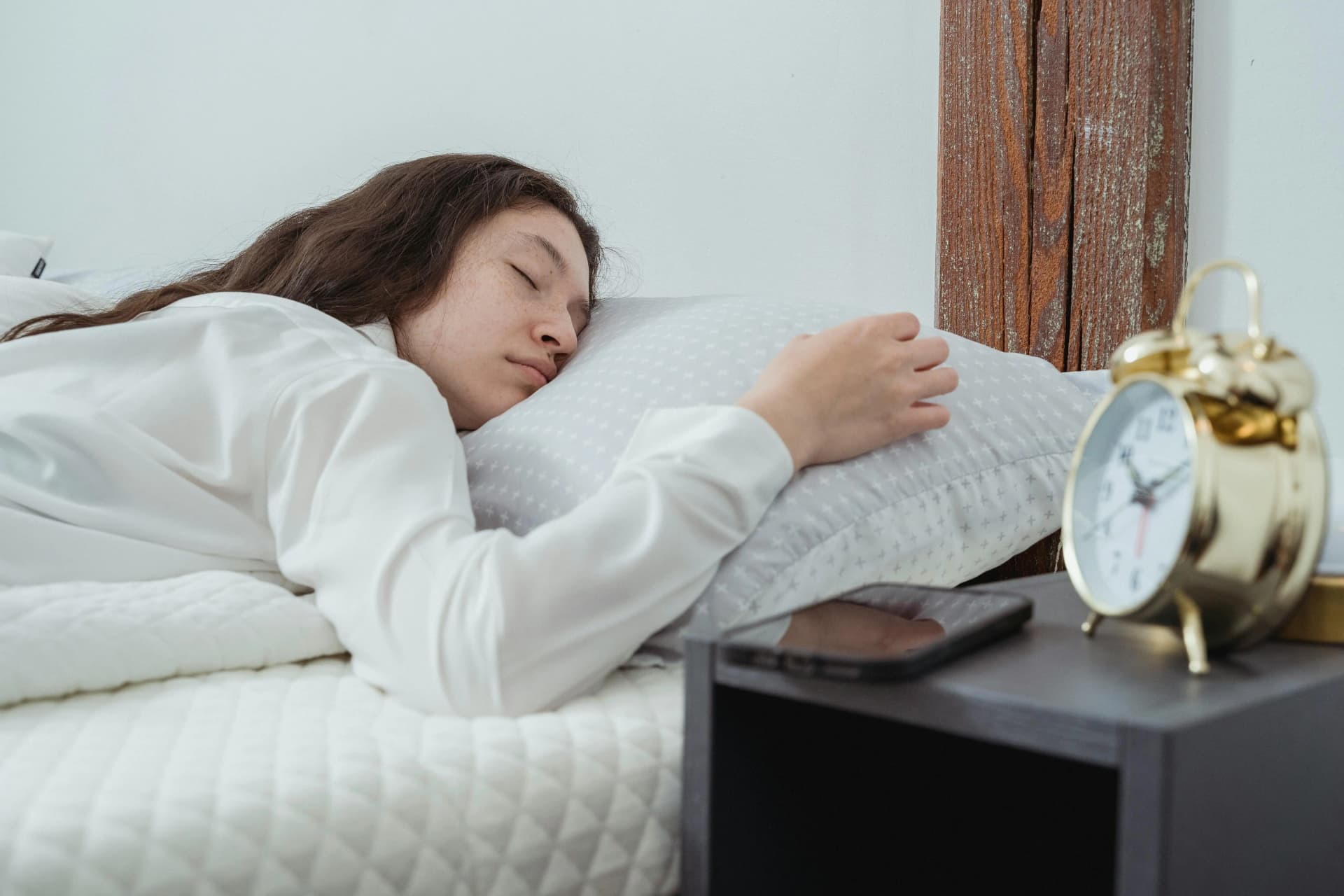
▲5 Practical Sleep-Boosting Habits. (Image / Pexels)
Modern people increasingly face the frustrating cycle of feeling "completely exhausted but unable to fall asleep"—you scroll through your phone until your eyes burn, yet your brain keeps racing; or the moment you lie down, work stress, social worries, and random thoughts flood in, making you more awake by the second. Poor sleep isn’t just a willpower issue; more often than not, it’s our daily routines and habits that keep our brains stuck in overdrive. Instead of forcing yourself to "sleep hard," the key to better sleep quality is building a consistent pre-sleep ritual that gently guides your body into rest mode. Below are 5 practical sleep habits to adjust everything from your bedroom environment to your body’s internal clock, helping you fall asleep easier and sleep deeper each night.
Let Your Body Learn "When It’s Time to Rest"
Many of us sleep in until noon on weekends, then drag ourselves out of bed early on Monday—this is like resetting your time zone every single week, and sleep hates that inconsistency. Sticking to a fixed bedtime and wake-up time, even on days off, stabilizes your circadian rhythm, making melatonin (the sleep hormone) secretion more regular. Over time, your body will naturally start to wind down as bedtime approaches, and falling asleep will feel less like a struggle. Even if you lie awake for a while, resist the urge to sleep in; keeping your wake-up time consistent trains your body to adapt to a steady sleep schedule.
Reduce Blue Light Stimulation to "Slow Your Brain Down"
The blue light emitted by phones, tablets, and computers suppresses melatonin production, tricking your brain into thinking it’s still daytime. That’s why you might feel more awake the longer you scroll, even if your eyes are tired. If you really need to use your device before bed, stop scrolling social media or watching videos at least 30 to 60 minutes ahead of time. Swap screen time for activities that calm your mind: read a physical book, listen to soft instrumental music, or do gentle stretching exercises. You’ll quickly notice that cutting back on this constant stimulation helps your brain shift into relaxation mode much faster.
Create a Cozy, Sleep-Friendly Environment
Your bedroom’s temperature, light, and noise levels all play a big role in how deeply you sleep. Experts recommend keeping your sleep space dark, cool, and quiet. Invest in blackout curtains to block street lights, use earplugs to muffle traffic noise, or try a white noise machine to mask distracting sounds. Another key tip: reserve your bed only for sleeping (and intimate activities). Avoid working, eating, or scrolling through your phone in bed—this trains your brain to associate your bed with rest, so the moment you lie down, your body starts to prepare for sleep.
Build a Pre-Sleep Relaxation Ritual to Release Anxiety
For many people, lying awake at night is caused by an endless loop of worries and to-do lists running through their head. To break this cycle, create a pre-sleep ritual that helps you "offload" these thoughts before bed. Try taking a warm bath to relax your muscles, practicing deep breathing or 5-minute meditation to calm your mind, or writing down all your tasks and worries in a notebook. Putting these thoughts on paper tells your brain, "I’ve planned this out, and I don’t need to think about it right now," letting it let go and settle into rest.
Limit Caffeine and Alcohol Intake
Caffeine has a surprisingly long half-life—some people are so sensitive that a cup of coffee in the afternoon can still affect their sleep at night. Even if you don’t feel jittery, caffeine disrupts your body’s ability to produce melatonin. As for alcohol: while it might make you feel drowsy at first, it actually breaks down your sleep structure, causing you to wake up frequently in the night and sleep more lightly. Experts suggest cutting off all caffeine by 2 PM, and avoiding using alcohol as a "sleep aid"—this way, you’ll wake up feeling refreshed instead of groggy and tired.